Sudan / Digital Systems / Interaction Design
Who controls the map controls the truth.
Whose voices or points of view do I aim to represent?
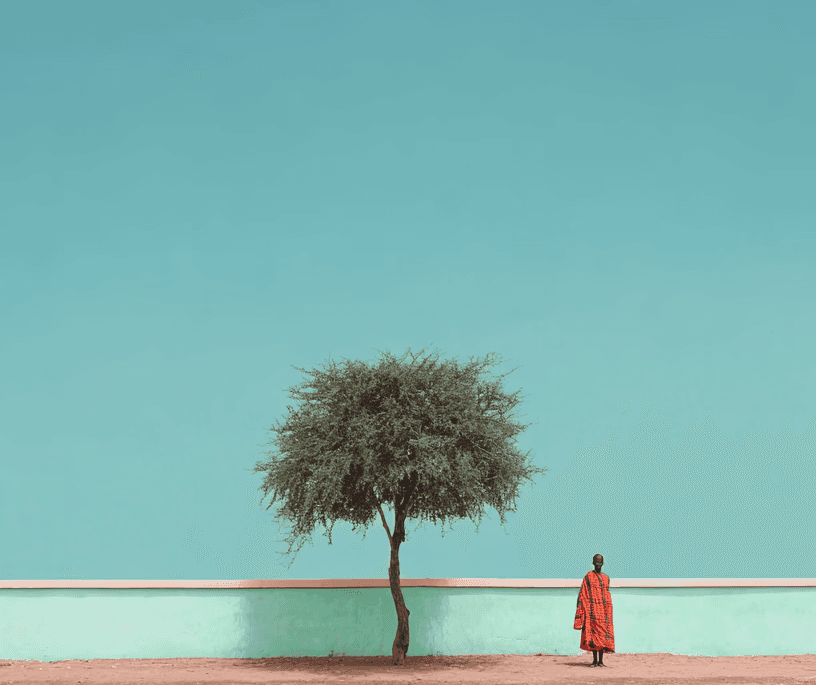
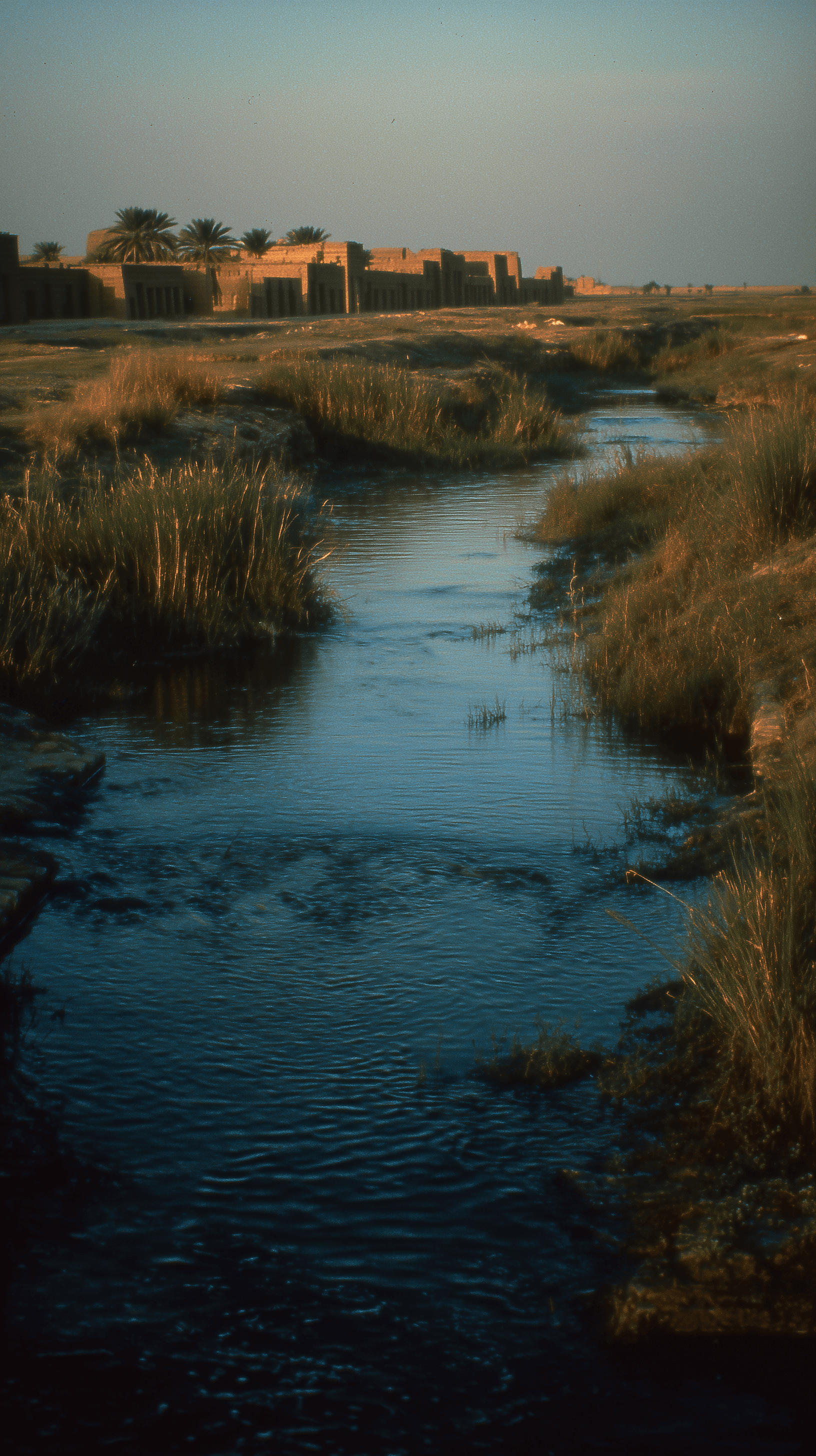
My project aims to represent the voices of those made invisible by digital systems during the Sudan conflict, civilians, journalists, and aid workers whose access to communication has been deliberately severed. These are people whose point of view rarely enters the official record precisely because the tools that would carry it have been switched off.
FIGURE 5 : Assignment 3
In what ways will my project be "trustworthy knowledge"?
It will be transparent about its limitations, acknowledging that data on internet shutdowns is itself incomplete, mediated, and produced by organisations with their own perspectives (NetBlocks, Access Now). I will cite sources clearly and make visible the conditions under which the information was gathered, rather than presenting the project as a complete or neutral account.
References:
Access Now (2023) #KeepItOn: Internet Shutdowns in Sudan. Available at: accessnow.org
NetBlocks (2023–2024) Internet Shutdown Reports: Sudan. Available at: netblocks.org
Rankin, W. (2016) After the Map: Cartography, Navigation, and the Transformation of Territory in the Twentieth Century.Chicago: University of Chicago Press.
Canva link Below
Will I include my own voice and point of view? If so, how?
Yes. The design decisions themselves will carry my point of view , what I choose to show, what I leave absent, and how I frame absence as a subject rather than a gap. Following Rankin's argument, the tool I build will not be neutral, and I will be honest about that. My position as a designer engaging with a conflict I am not inside is itself something the project should acknowledge rather than erase.