Sudan / Digital Systems / Interaction Design
Iteration & Planning
From feedback to action
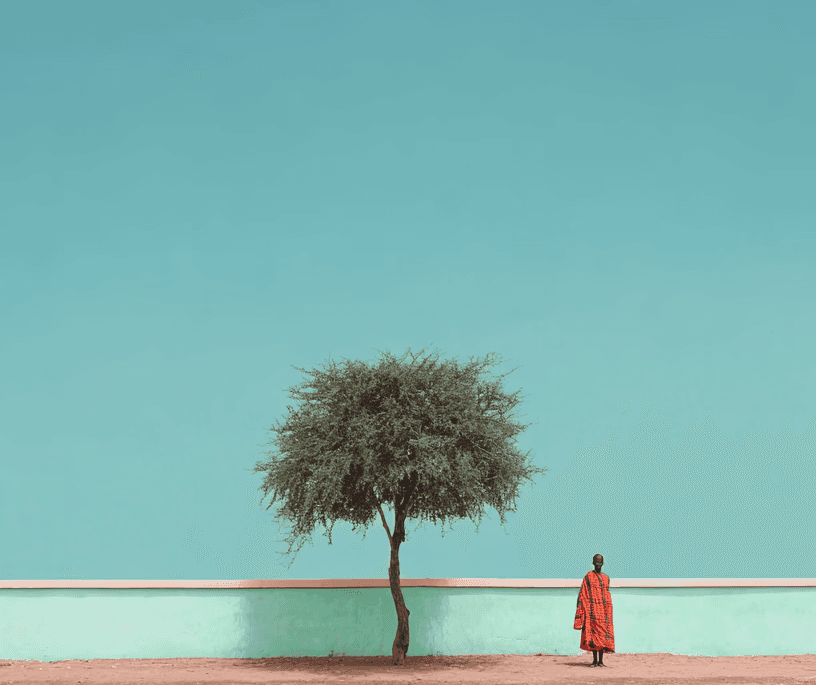
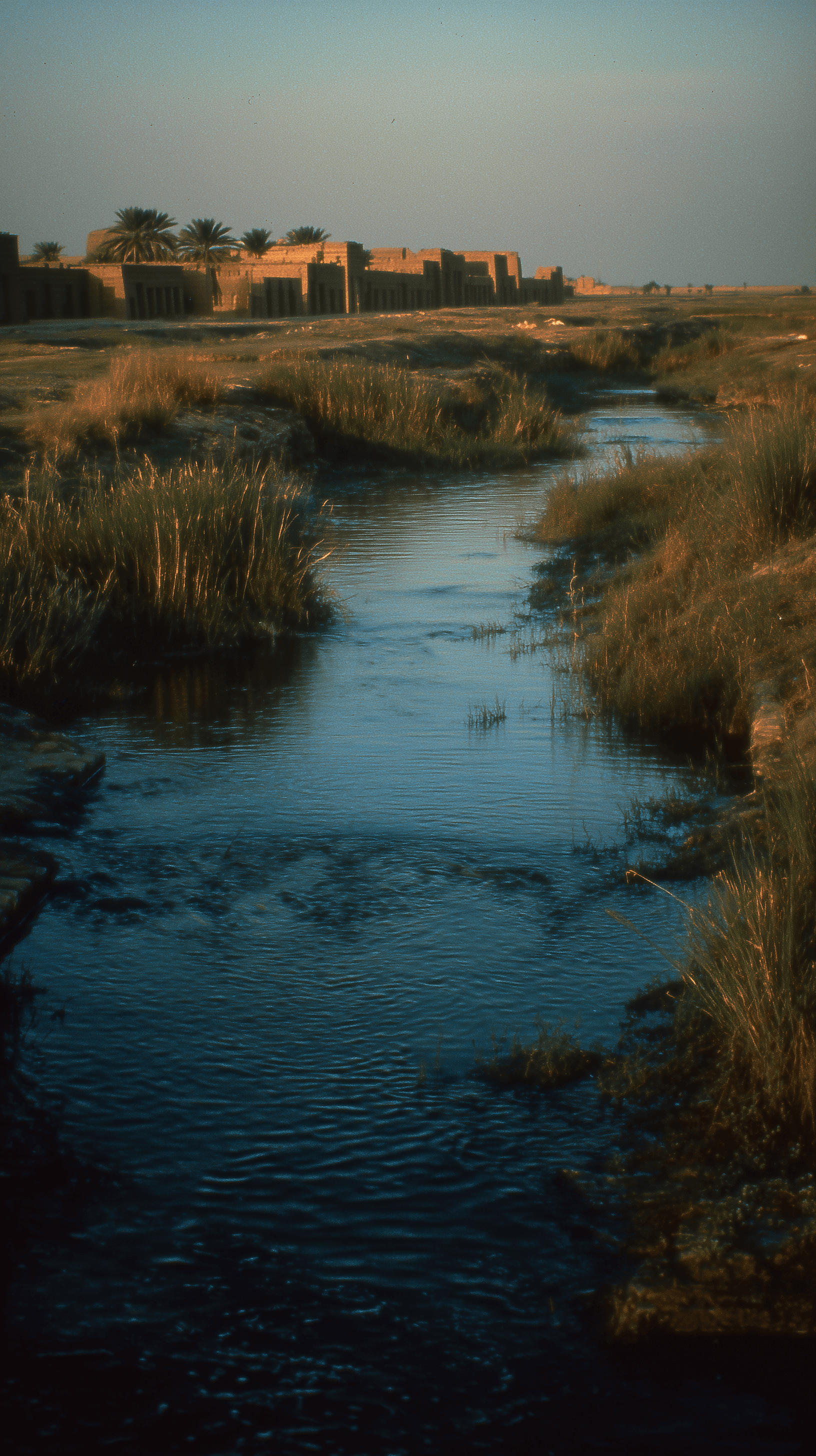
Three consistent themes emerged across the feedback after presenting my work to a few peers. Reviewer 1 and Reviewer 2 both identified the need for visual evidence of the illustration direction , a gap I will address by producing annotated sketch development showing how symbolism is embedded into each drawn scene. Reviewer 2's concern about exploitative tone is one I take seriously; as Benjamin (2019) argues, systems must be assessed by their outcomes rather than their intentions, and this applies equally to my own design. I will ensure the narrative centres Sudanese experience rather than Western consumption of suffering.
Reviewer 1's question , how does the user know what they're missing? , is the most productive challenge. Bridle (2018) argues that networked systems produce opacity rather than clarity; my design response is to make that opacity legible through glitching text, loading failures, and redacted content, signalling absence without filling it. Reviewer 3's suggestion around sound and texture is one I will explore as a further disruption layer.
Reviewer 2 and Reviewer 3 both raised navigation , I will develop a linear journey, as Halloran's (2015) controlled disclosure model demonstrates that pacing and sequence are essential to communicating magnitude. An open navigation would undermine the deliberate withholding the project depends on.
Canva Link to Presentation Below : Assignment 5