Sudan / Digital Systems
Visual Language
Visual Response Mood board
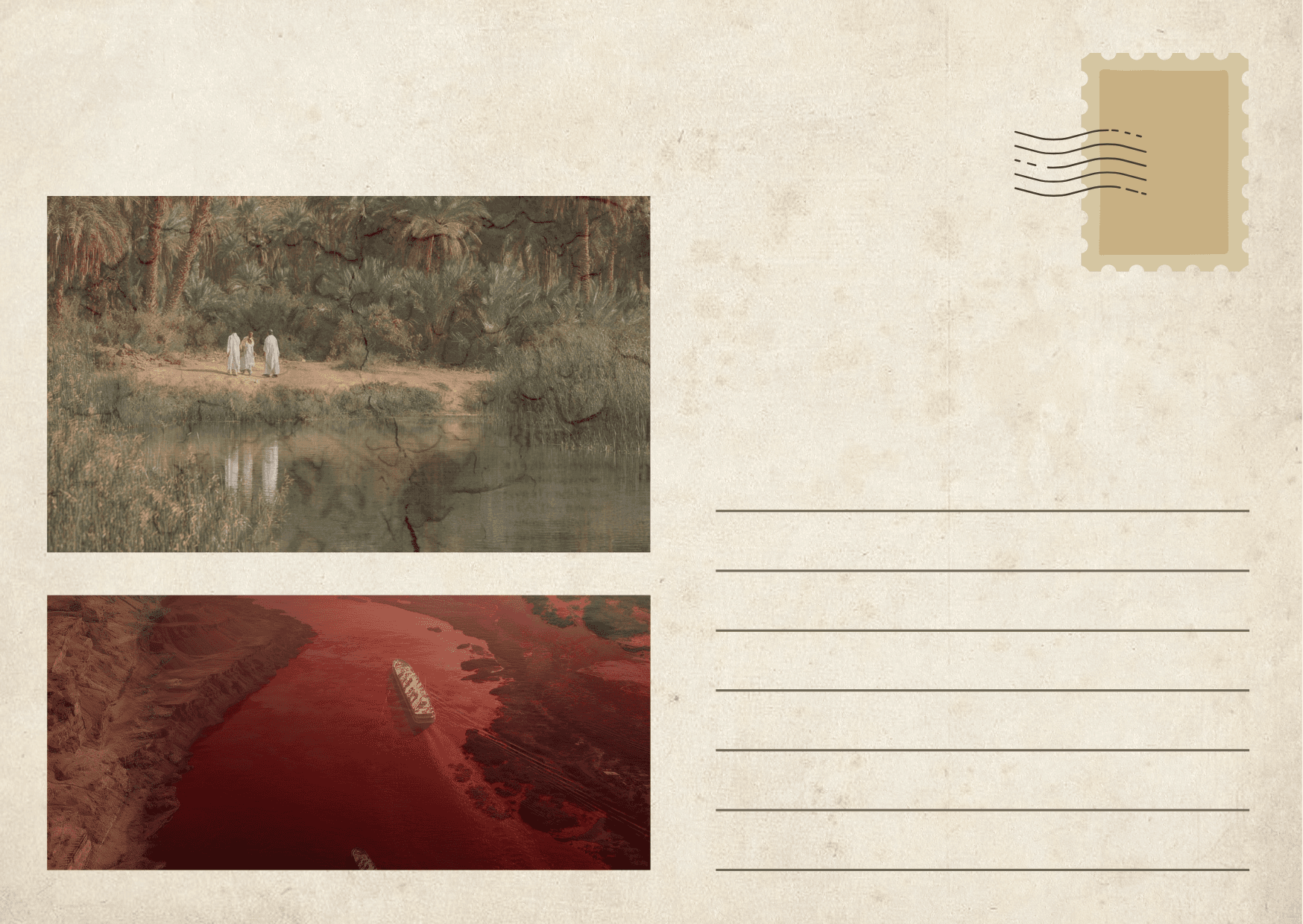
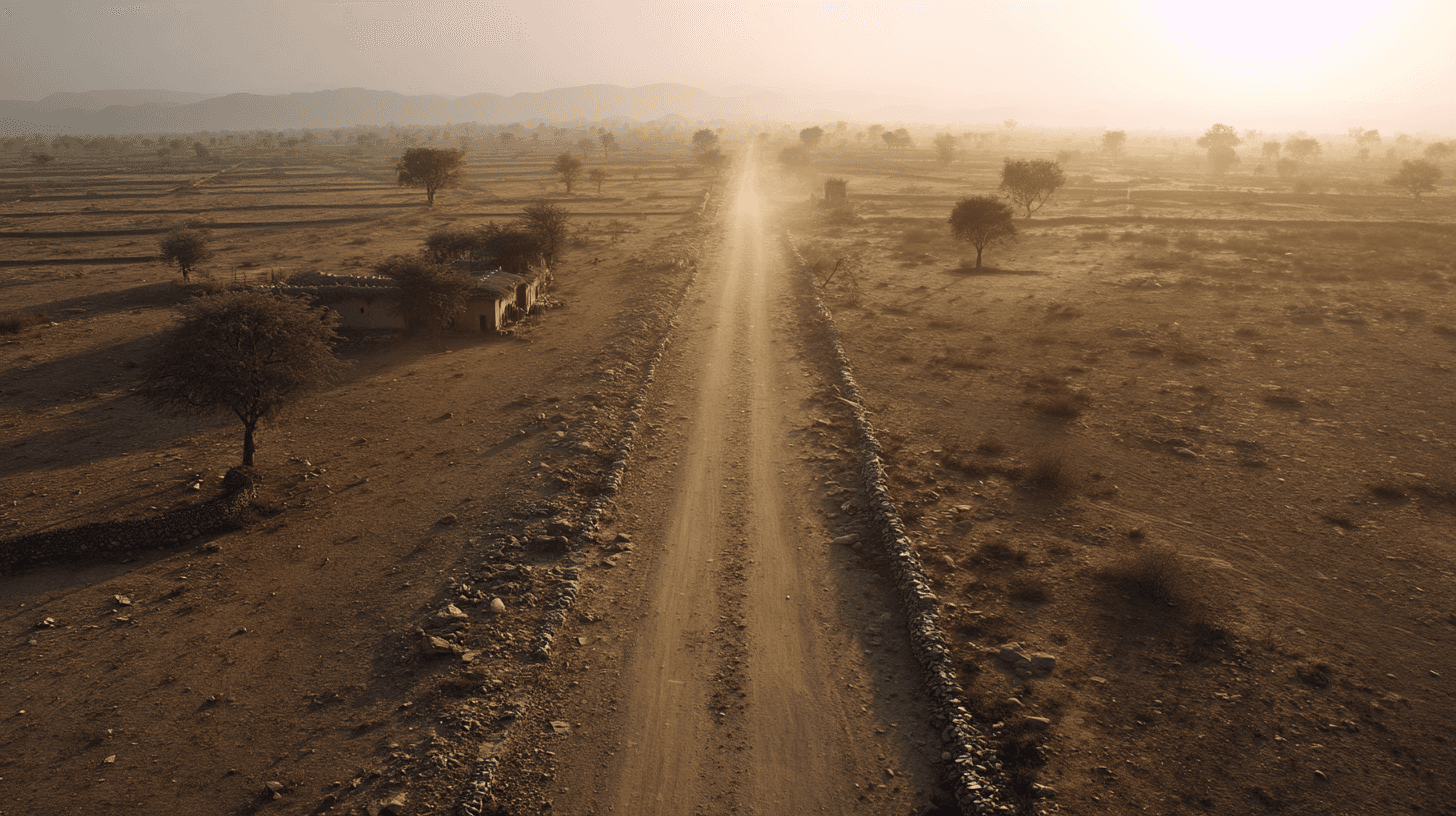
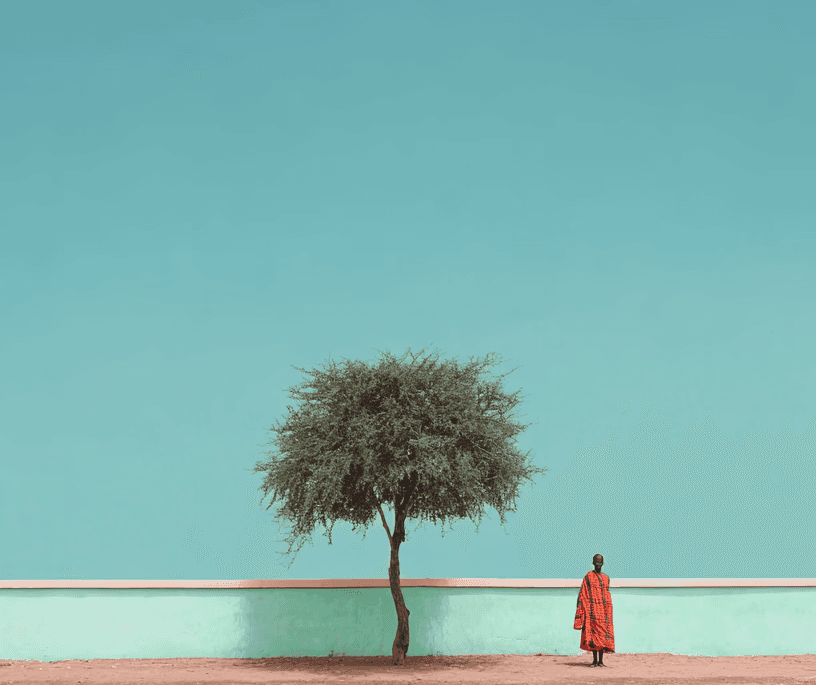
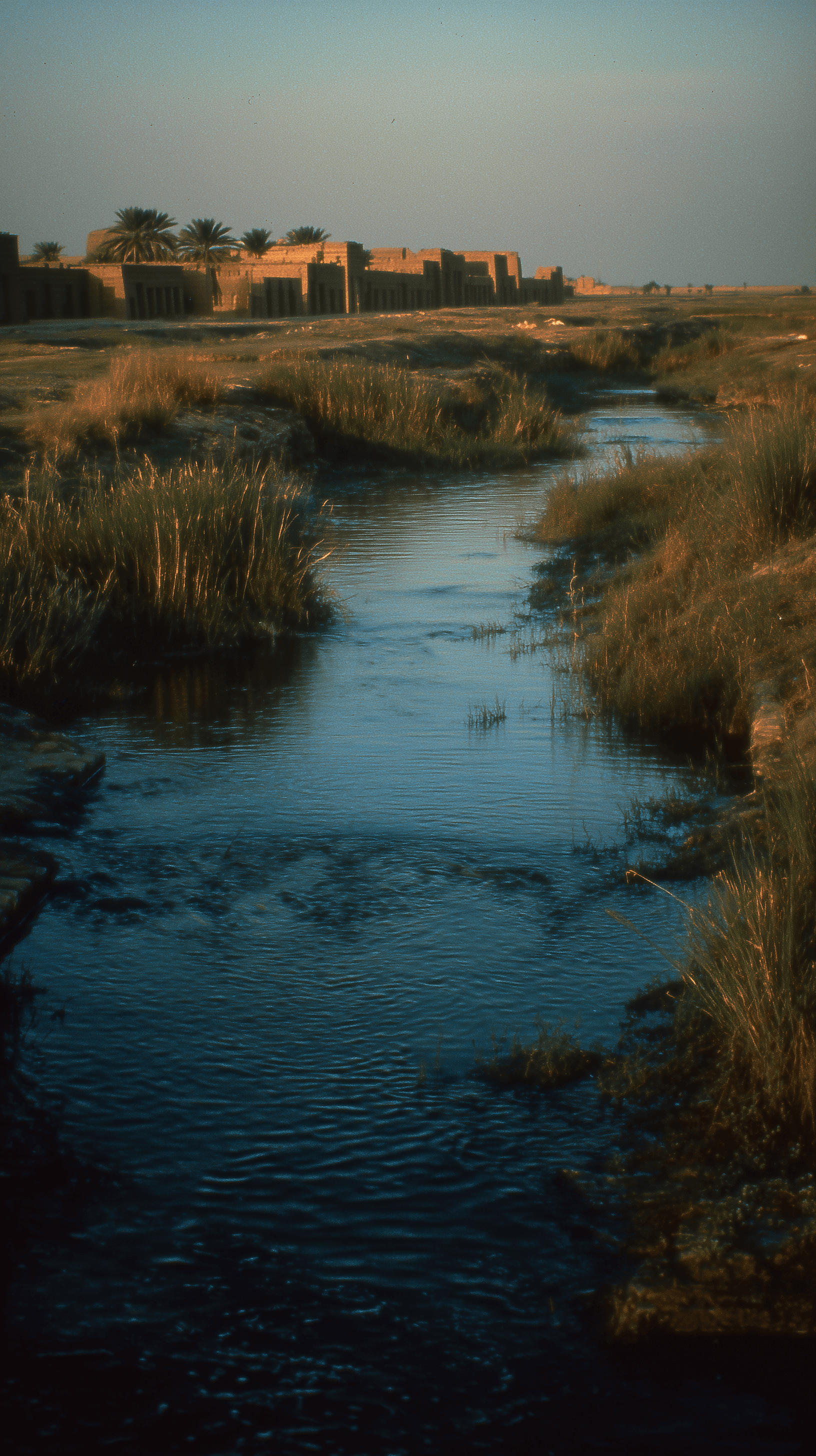
The moodboard establishes a visual language rooted in Sudanese cultural identity. Earth tones , aurora red, incarnadine, blazing sunset , reference the ochre architecture of Khartoum and the Saharan landscape, grounding the app in a specific geographic and cultural reality rather than a generalised "conflict aesthetic." The flip phone references Sudan's relationship with older telecommunications infrastructure , a deliberate counter to Western smartphone culture. Arabic calligraphy and protest imagery of women in white thobes centre Sudanese agency rather than victimhood. Vesper Libre was selected for its classical foundation and web optimisation legible, serious, and culturally neutral enough to serve a Western audience without imposing a foreign visual identity onto Sudanese content. I was also inspired by postcards and stamps as a creative way for the users to have a reward system through the experience.
Visual Response Storyboard
The storyboard I digitally drew, maps a six screen linear narrative structured around progressive loss , mirroring Halloran's (2015) controlled disclosure model, where meaning accumulates rather than arrives all at once. The user enters a sunlit Sudanese street; the scene is warm, inhabited, culturally specific. By screen two, darkness falls , electricity lost, the street the same but unrecognisable. This transition from light to dark is not metaphorical decoration; it is the structural argument of the project made visual.
Screen three introduces the failed phone call , a fragment of Arabic text visible, a connection that cannot complete. This directly references The Cleaners (2018) and the experience of communication becoming partial and unreliable under network disruption. Screen four presents stacked television screens showing limited, controlled information , a visual quotation of Benjamin's (2019) argument that systems determine what enters the record. Screen five introduces fading photographs personal and cultural memory that was never digitised and cannot be recovered. The final screen presents a suitcase of belongings: objects that remain when digital systems fail entirely.
The end goal , stated explicitly is that the user recognises technology as a structure of power, not a neutral tool. The linear journey enforces this; there is no alternative route, no skip function. The user must move through the loss in sequence.
References:
Benjamin, R. (2019) Race After Technology: Abolitionist Tools for the New Jim Code. Cambridge: Polity.
Bridle, J. (2018) New Dark Age: Technology and the End of the Future. London: Verso.
Halloran, N. (2015) The Fallen of World War II. [Online video] Available at: fallen.io (Accessed: 5 May 2026).
Mota Italic (n.d.) Vesper Libre. [Typeface] Available at: motaitalic.com (Accessed: 5 May 2026).
NetBlocks (2023–2024) Internet Shutdown Reports: Sudan. Available at: netblocks.org (Accessed: 5 May 2026).
Riesewieck, M. and Horn, H. (dirs.) (2018) The Cleaners. [Documentary] Gebrueder Beetz Filmproduktion.
Figma Link below